Choosing a hearing aid often feels more complicated than it should. You hear about new technology every year, see wide price ranges, and receive conflicting advice from different sources. On top of that, hearing needs never look the same for everyone. Some people struggle during conversations at home, while others find social settings or work meetings exhausting.
The truth is simple. Hearing aids should fit into your life, not the other way around. When you understand your listening needs, daily routine, and long-term expectations, the right choice becomes clearer. This guide walks you through how to choose a hearing aid that supports both your budget and your lifestyle, without confusion, pressure, or guesswork.
Factors to Consider When Choosing Hearing Aids
Choosing a hearing aid is easier when you follow clear steps. Start by understanding your hearing needs, then match them to the right technology, design, and long-term value. These steps make your choice practical and confident. This guide will be helpful if you are buying hearing aids for the first time for yourself or for a family member, or upgrading an older device.
1. Understand Your Hearing Needs Before Anything Else

Every successful hearing solution begins with clarity about your hearing needs. Hearing difficulty does not affect everyone in the same way. Some people struggle mainly with soft speech, while others find background noise overwhelming.
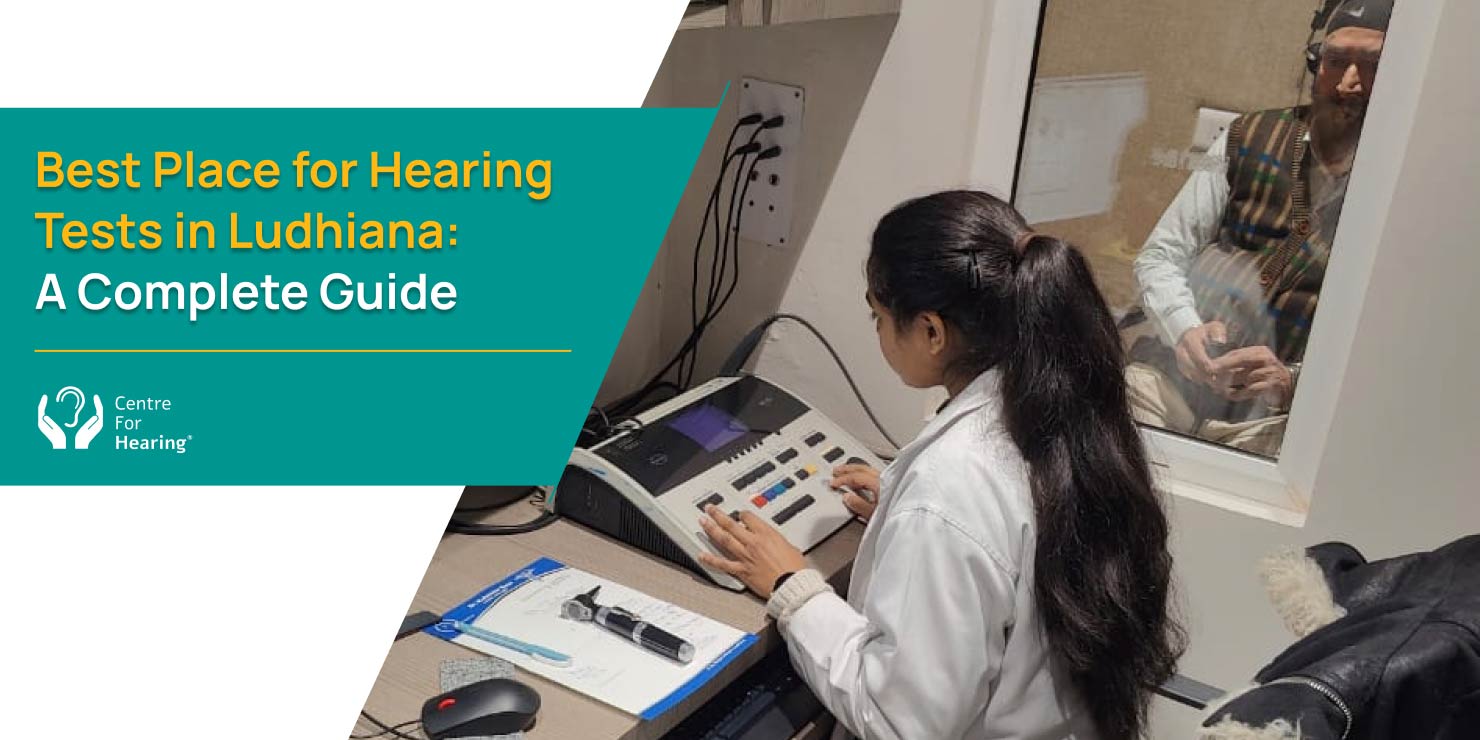
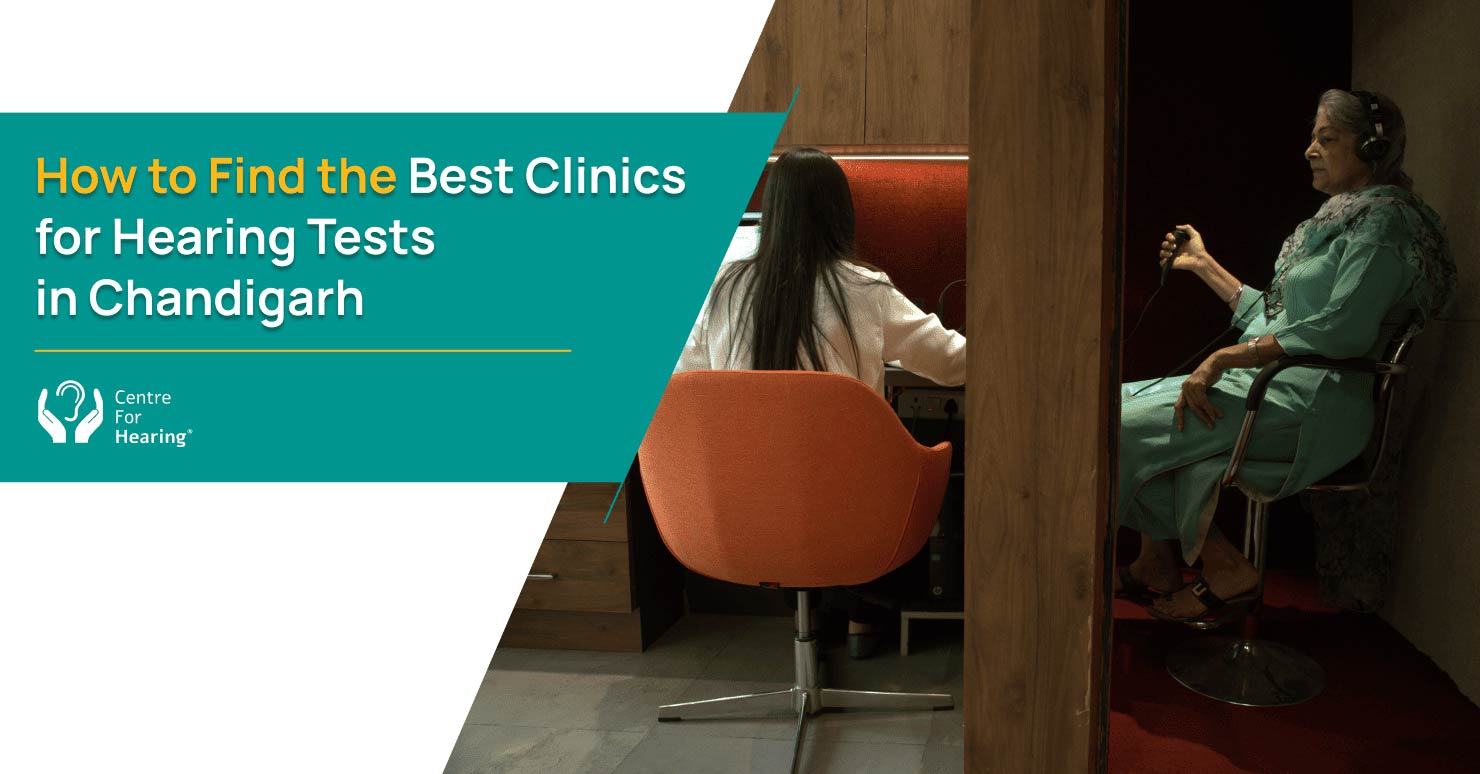
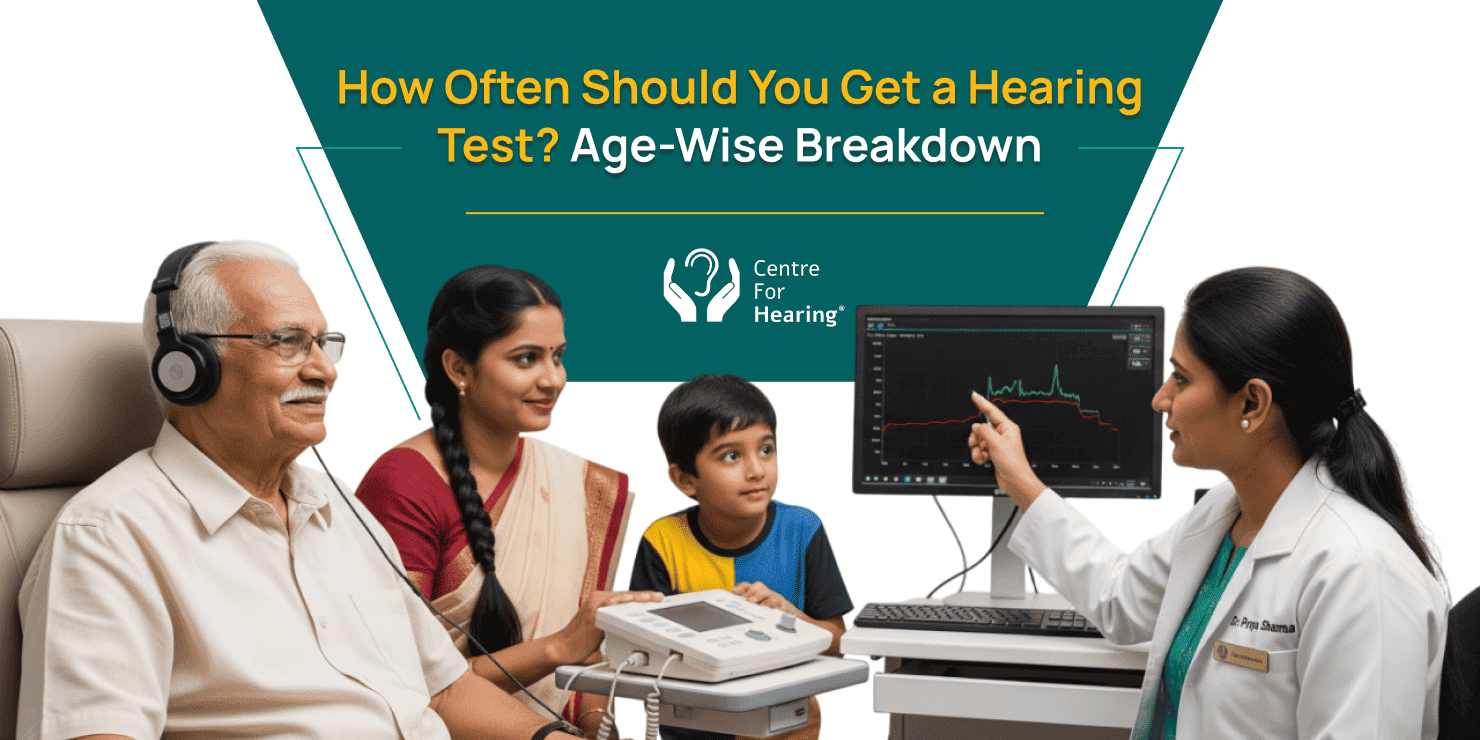
A professional hearing test plays a critical role here. Unlike basic screenings, a full audiometry assessment measures how well you hear different sound frequencies and how clearly you understand speech. It also shows how your brain processes sound in everyday situations.
Hearing needs often change with age, lifestyle, and health conditions. Mild hearing difficulty may require subtle support, while moderate or severe difficulty demands more advanced processing. When you understand where you stand, every decision that follows becomes more precise and purposeful.
2. Factor in How Your Lifestyle Shapes Daily Listening
Your lifestyle determines how demanding your listening environments feel. A hearing aid that works beautifully at home may struggle in meetings or social settings if it lacks the right support.
Think about your daily routine. Do you spend most of your time indoors, or do you move between work, travel, and social gatherings? Do you participate in group conversations or use the phone frequently?
Calm environments require less sound processing, while busy settings demand stronger noise control and speech clarity. When you choose a hearing aid that fits your lifestyle, it blends into your routine rather than interrupting it.
3. Learn the Different Levels of Hearing Aid Technology

Hearing aid technology falls into clear levels, each designed for specific listening demands.
- Entry-level technology supports listening in quieter settings and works well for simple, one-to-one conversations.
- Essential-level technology adds better background noise management for everyday interactions.
- Standard-level technology suits people who move between different environments and want consistent clarity throughout the day.
- Advanced-level technology supports complex listening situations like meetings and group conversations.
- Premium-level technology delivers the most refined sound experience for highly active lifestyles and complex hearing needs.
Understanding these levels helps you avoid overpaying or underestimating what you need.
4. Set a Realistic Budget With a Long-Term View
Budget matters, but perspective matters more. A hearing aid supports you every day for several years, so the real value lies in long-term comfort and performance.
Prices vary depending on technology level, features, and professional care. Beyond the initial cost, consider long-term factors such as servicing, maintenance, and support. Rechargeable models reduce ongoing battery expenses, while regular follow-ups ensure consistent performance.
A good hearing centre should also offer flexible payment options and structured plans that make advanced solutions easier to manage. When you plan with the long term in mind, your budget works for you rather than limiting you.
5. Understand the Different Types of Hearing Aids

Hearing aids come in various designs, each suited to different needs and preferences.
- Behind-the-Ear (BTE) models sit behind the ear and offer strong performance and durability.
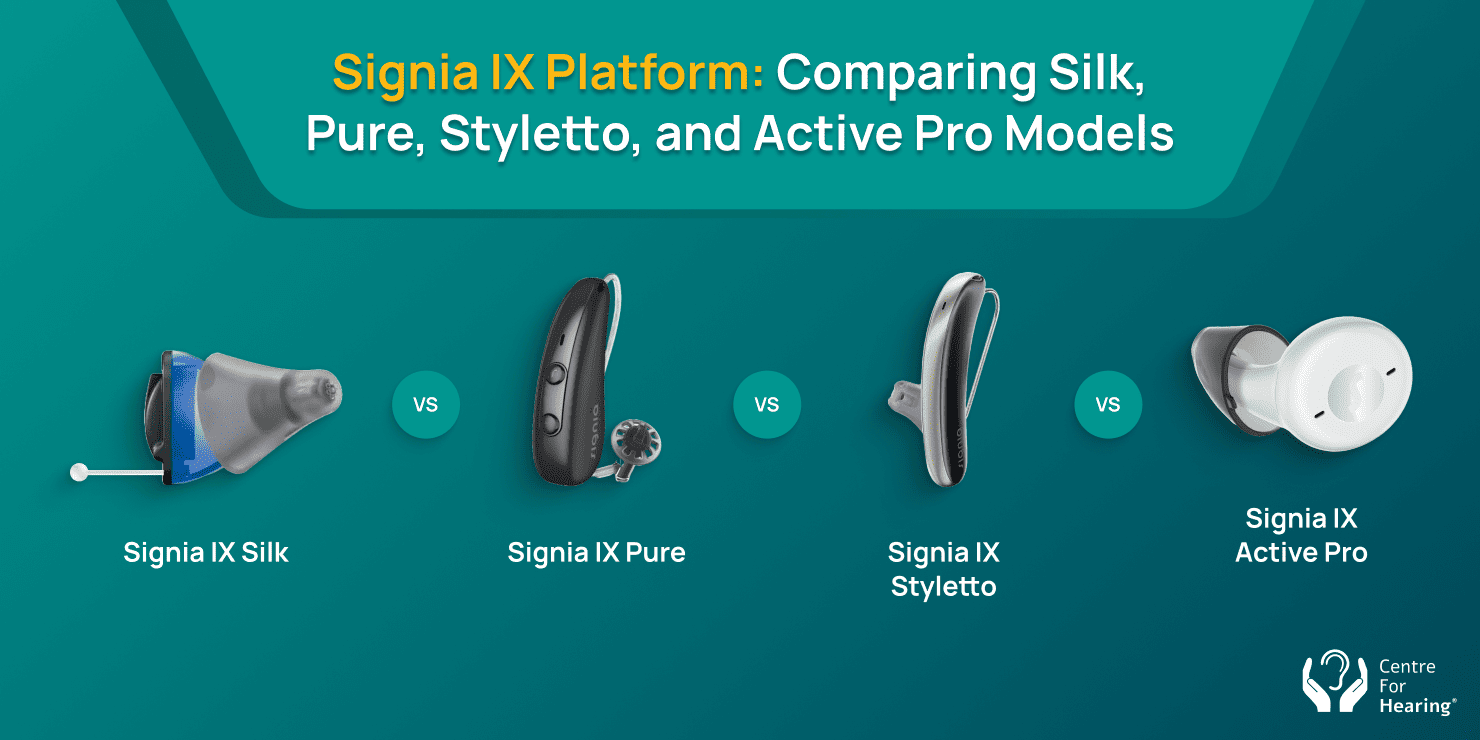
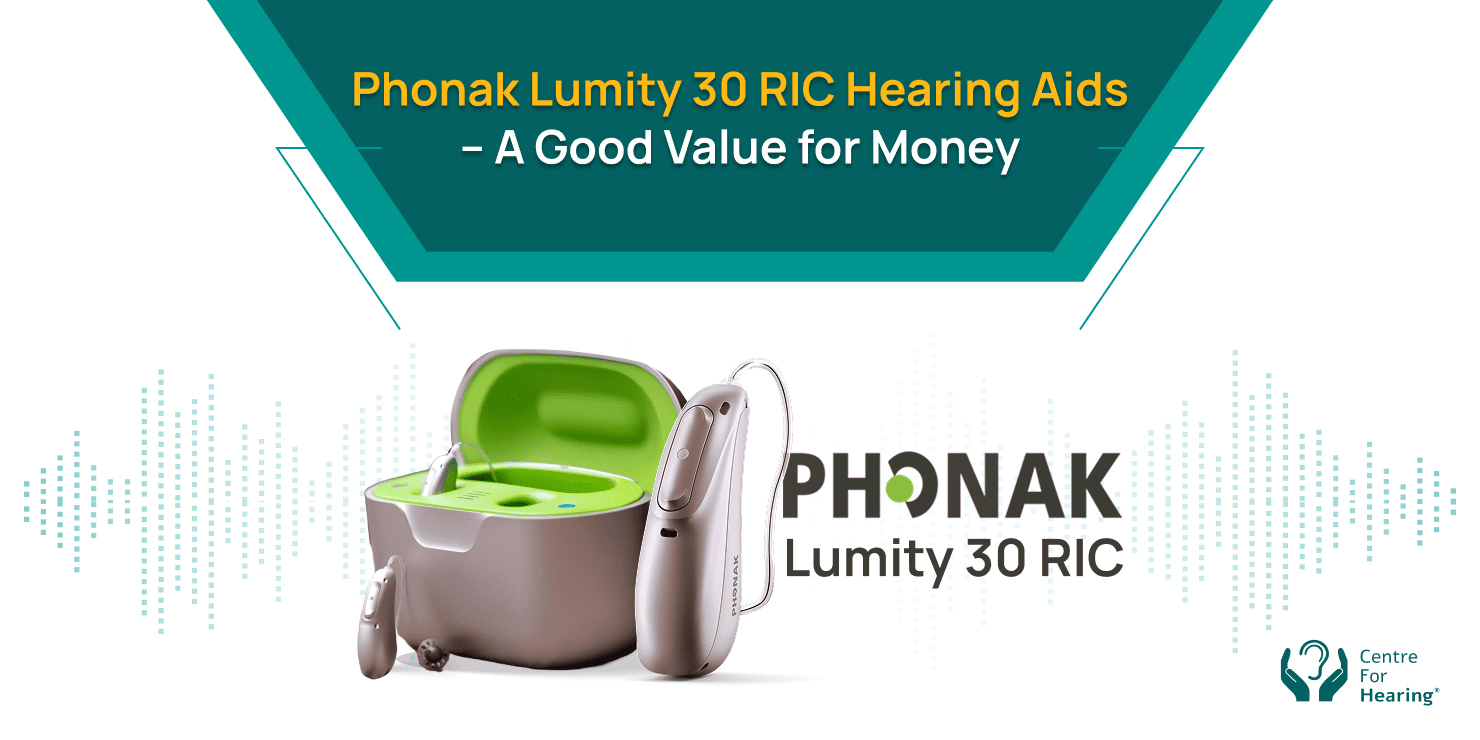
- Receiver-in-Canal (RIC) designs provide a balance of power and discretion, making them popular for active users.
- In-the-Ear (ITE) models fit within the outer ear and suit those who prefer easy handling.
- In-the-Canal (ITC) and Completely-in-Canal (CIC) styles sit deeper in the ear canal and offer a discreet appearance.
The right style depends on hearing needs, comfort preferences, and ease of use. Professional guidance ensures proper fit and performance.
6. Match the Hearing Aid to Your Daily Routine
Different lifestyles demand different strengths from hearing technology.
- Active and outdoor routines benefit from advanced noise handling and durability.
- Professional and office environments require clear speech processing for meetings and calls.
- Home-based routines prioritise comfort and natural sound for conversations and television.
- Frequent phone or media users benefit from seamless connectivity and hands-free options.
When your hearing aid matches how you live, it supports you quietly and consistently throughout the day.
7. Know Which Features Truly Matter

Modern hearing aids offer many features, but not all of them matter to everyone.
- Noise reduction filters background sounds, making conversations easier in busy settings while improving speech clarity and reducing listening fatigue.
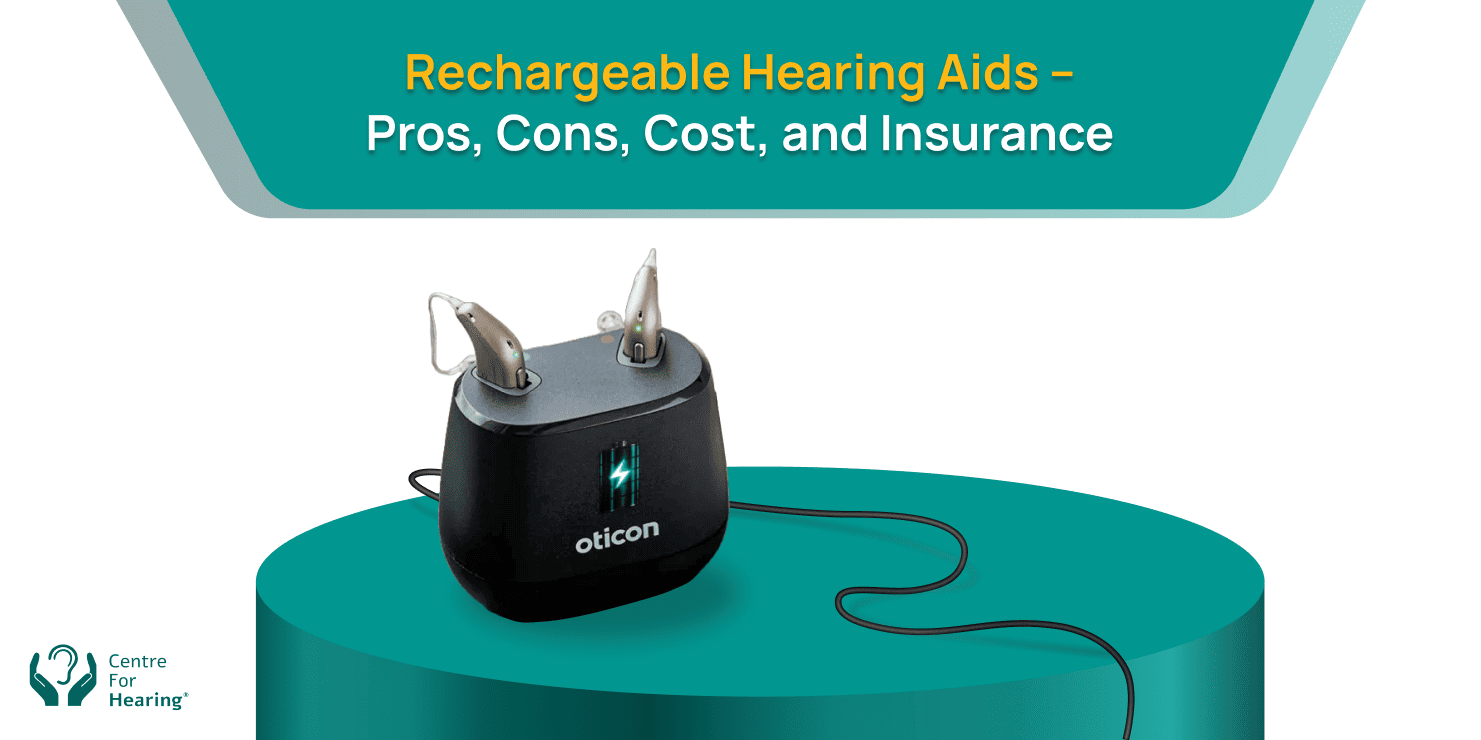
- Rechargeable hearing aids ideal for users who value convenience and prefer not to change small batteries frequently. Battery-operated hearing aids suit those who travel often, want quick replacements, or prefer flexibility without daily charging
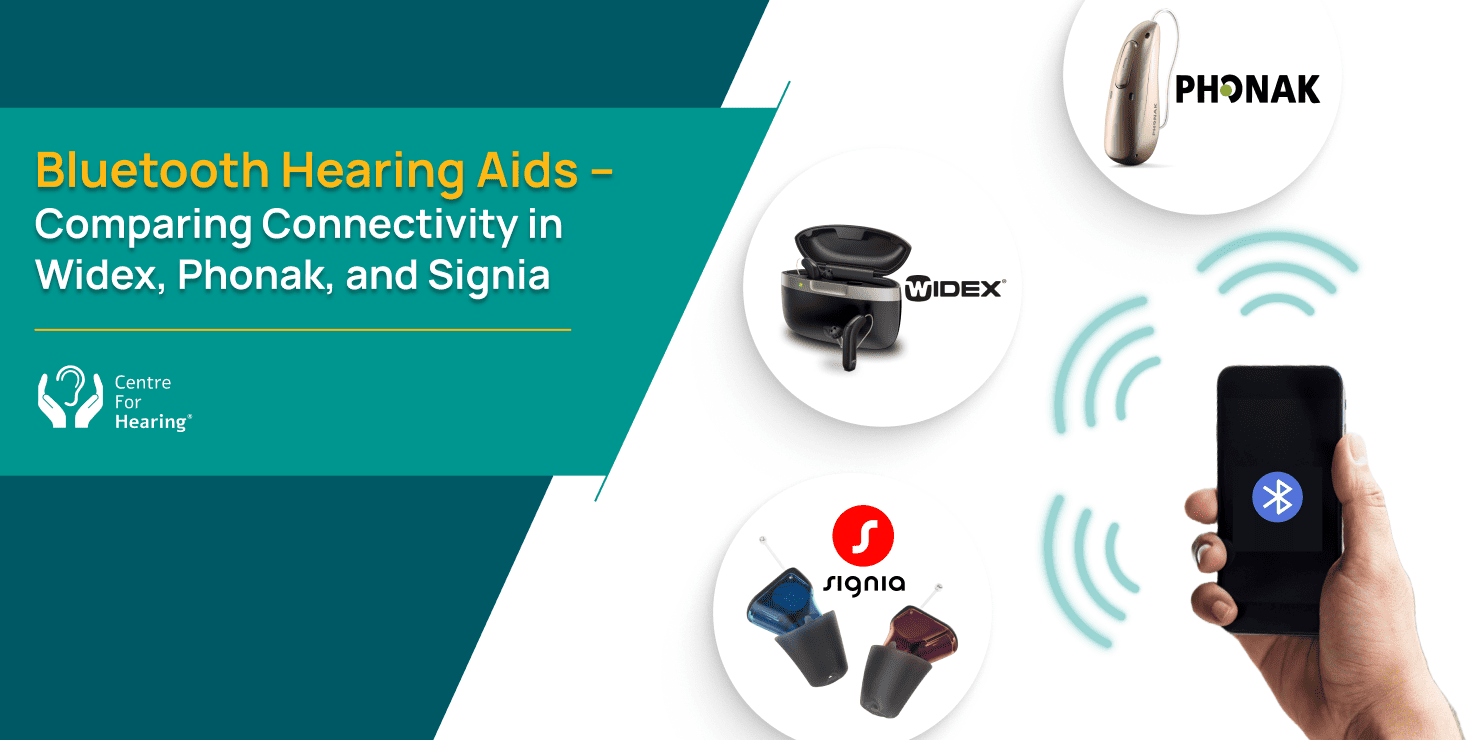
- Bluetooth connectivity allows hands-free calls, streaming music, and audio from devices directly into your hearing aids.
- Water- and dust-resistant models protect hearing aids from daily exposure, improving durability and reliability.
- Adjustable hearing aids let you fine-tune volume and sound modes, ensuring a secure fit and all-day comfort.
- Extra features like directional microphones, feedback suppression, and automatic environment adaptation enhance convenience and listening accuracy.
Focus on features that improve your daily life rather than those that sound impressive on paper.
8. Balance Cost Against Real-World Benefits
Some features feel essential, while others remain optional. The key lies in knowing the difference.
Essential features support clarity, comfort, and consistency. Lifestyle-based features enhance convenience and flexibility. Paying for features you never use adds cost without value.
Professional audiologists help strike this balance by aligning technology with real listening needs. This approach ensures you invest wisely and confidently.
9. Trust Professional Fitting and Ongoing Support

Even the best hearing aid cannot perform well without expert fitting and calibration. Professional adjustment ensures that sound feels natural and comfortable in all listening environments.
A hearing aid trial allows you to experience real-life listening situations before making a final decision. This ensures confidence, comfort, and satisfaction with your hearing aids before long-term commitment.
Follow-up appointments allow fine-tuning based on real-world feedback, helping you adapt the settings as your daily routines and hearing needs change. Ongoing support keeps your hearing experience consistent, ensures proper maintenance, and addresses any issues promptly.
This partnership transforms hearing aids from simple devices into personalised solutions that truly work, while strong after-sales care extends the life and effectiveness of your hearing aids over time.
10. Consider Insurance and Protection Options
Your hearing aids are an important investment, so it’s worth thinking about ways to protect them financially. In India, most standard medical insurance policies do not cover the cost of hearing aids, and coverage for loss, theft, or damage is rare.
Check if hearing centres offer exclusive protection plans. These plans often last over a year, giving you peace of mind while using your hearing aids every day. Some high-end insurance policies may offer partial coverage as an add-on, but these are limited and usually require a prescription from an ENT doctor.
By exploring protection plans or checking with your insurance provider, you can safeguard your investment and avoid unexpected expenses while keeping your hearing support consistent.
Finding the Right Hearing Aids with Expert Guidance
Choosing a hearing aid becomes easier when you stop focusing on products and start focusing on people, your needs, your routine, and your comfort.
At Centre for Hearing®, we follow this exact philosophy. With a strong focus on audiology and personalised care, we help individuals choose hearing solutions that truly fit their lives. We work with internationally trusted hearing aid brands such as Phonak, Signia, Widex, ReSound, Oticon, Rexton and Starkey, ensuring access to advanced, clinically proven technology.
What truly sets us apart is our people-first approach. Our expert audiologists conduct detailed hearing assessments, recommend solutions without bias, and provide ongoing support long after fitting. Every recommendation aligns with both hearing needs and lifestyle expectations.
Centre for Hearing® offers an exclusive 15-month Protection Plan covering theft, loss, or robbery of hearing aids anywhere in India. Standard medical insurance rarely covers hearing aids, making this plan a valuable safeguard for your investment.
If you want a quick visit, Centre for Hearing® has centres located in:
- Delhi and Gurugram
- Punjab: Ludhiana, Patiala, Jalandhar
- Chandigarh Tricity Area
Better hearing begins with understanding your unique hearing profile. A professional assessment identifies not just the degree of hearing difficulty but also the specific sound patterns that affect daily communication.
Schedule a comprehensive hearing assessment today to explore solutions that align with your lifestyle and budget goals.
To book your free consultation, call +91 9811227269 or email care@centreforhearing.org