

 +91 98112 27269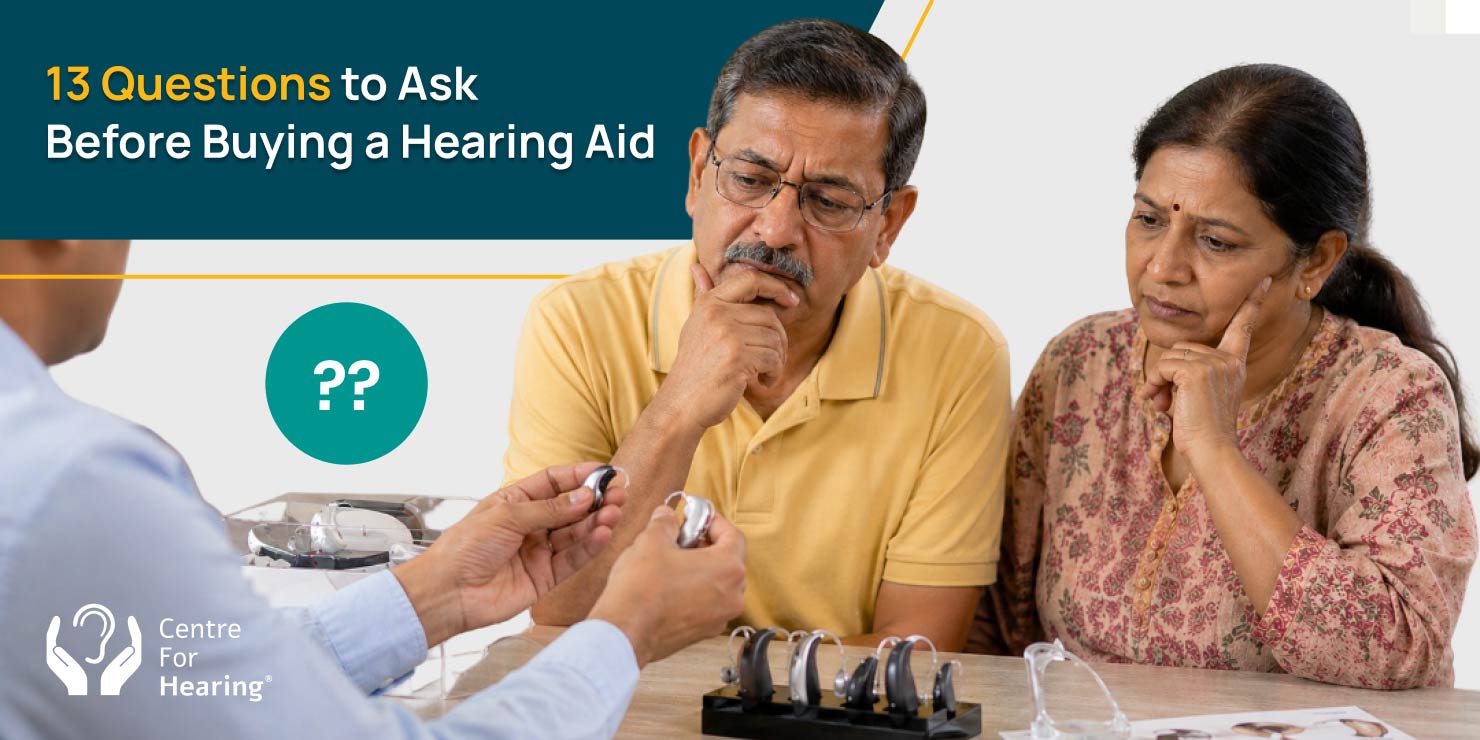
Most people don’t shop for a hearing aid the way they’d shop for anything else. They walk out of a hearing test, someone hands them a brochure, and within twenty minutes they’re being asked to decide on a device that costs more than a mid-range smartphone. That’s backwards. The price tag matters less than the questions you ask before you sign anything.
Here’s what’s worth asking, and why each answer can change the device you end up buying. We’ve grouped these by importance, with a typical answer (what you’ll often hear) and an ideal answer (what you should actually hear) for each one.
Key Takeaways
- Ensure you work with an experienced dispenser who understands how to trouble shoot issues tomorrow.
- Check if your dispenser is an independent or a part of a credible organisation that would provide you with long term support for your hearing aids post purchase.
- Ensure that they are multi-branded and not just offering you the only brand they work with !
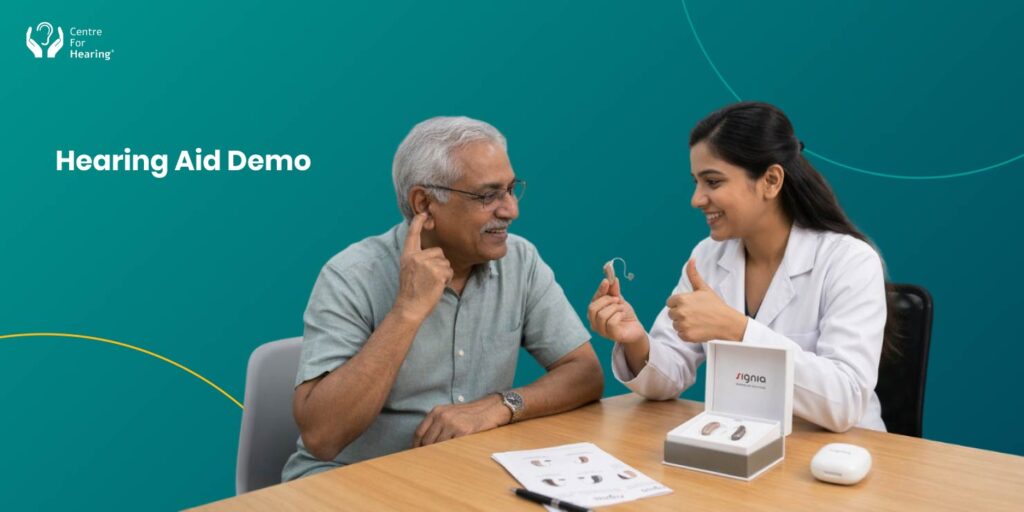
- Ask for a proper Hearing Aid Demo and Experience before deciding, not a five-minute in-clinic test.
- Find out exactly what’s included in the price: batteries, servicing, warranty terms, and any annual maintenance visits.
- Confirm who’s fitting your device and whether that person also handles your follow-up visits.
- Check that follow-up support is available near your home, not two hours away.
- Ask what your options are if the first device doesn’t suit you.
The Questions That Matter Most
1. How Long Has the Organisation Been Providing Hearing Care?
Typical answer: We’ve been around for years, don’t worry.
Ideal answer: A specific answer, backed by an established clinic and an after-care system that doesn’t rest on one person.
Hearing aids need attention long after the sale, sometimes for years. Fittings drift, ear moulds wear out, and settings need revisiting as your hearing or your routine changes. Before you commit, find out whether the organisation has a genuine track record and a physical clinic you can walk into, not just a phone number. Ask what happens if the audiologist who fitted you moves on. “Someone will help you” isn’t really an answer.
One thing worth watching for: a caller who pushes hard for a home visit instead of inviting you into a clinic. Quite a few of these operators don’t have an established clinic at all, and once the sale is done, tracking them down for after-care can turn into a frustrating chase.
What to look for: A named clinic address you can visit, not just a phone number and an offer to come to your house.
2. Which Hearing Aid Brands Do You Work With?
Typical answer: We carry this brand, it’s what works best.
Ideal answer: A clinic working with several established manufacturers, willing to explain why a specific brand and model suits your hearing loss and your life, not just what’s in stock.
No single manufacturer makes the right hearing aid for everyone. Brands differ in how they handle background noise, their app ecosystems, their price bands, and whether they lean rechargeable or battery-powered. A clinic tied to one brand can only offer what that brand makes, whatever your actual needs happen to be. Ask how many manufacturers the clinic works with, and whether the recommendation would change if you asked about a competitor’s model.
As a rough benchmark, a clinic with access to at least three established brands has more room to match technology to the person in front of them, rather than fitting you into whatever happens to be on the shelf.
What to look for: A clinic willing to explain why a competitor’s model might not suit you, not just why theirs does.
3. Who Is Fitting My Hearing Aid?
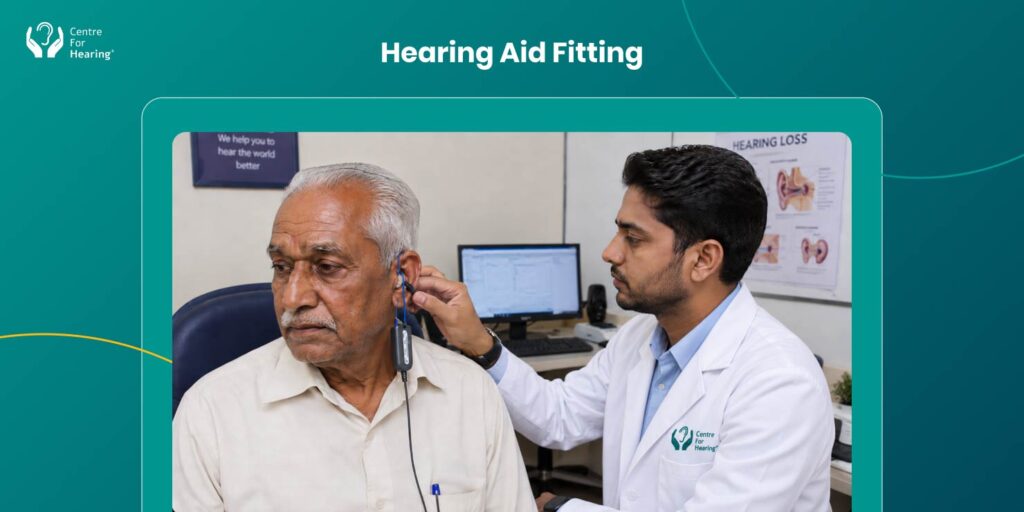
Typical answer: One of our staff will handle the fitting.
Ideal answer: An experienced, qualified Audiologist who also handles your follow-up adjustments, not a rotating roster of staff.
This is the question people skip most often, and it’s arguably the one that matters most. The same hearing aid, fitted by two different people, can perform completely differently for the same patient. Programming, ear mould accuracy, real ear measurement, and how well the device is matched to your specific audiogram all depend on the skill of whoever’s doing the fitting.
What to look for: Continuity. Someone who fitted you once and understands your specific hearing profile will catch problems faster than a new face every visit.
4. What Happens if My Hearing Loss Changes?
Typical answer: Don’t worry, we’ll just reprogram it whenever you need.
Ideal answer: An honest answer: most hearing aids can be adjusted as your hearing shifts, but only within limits.
Every hearing aid has a defined output range. A device fitted for mild to moderate loss can usually be reprogrammed as your hearing changes within that range. Once your loss moves beyond what the instrument can amplify cleanly, reprogramming stops being enough, and replacement becomes the honest next step. Ask your audiologist roughly how much headroom your chosen instrument has, rather than assuming any hearing aid can simply be turned up indefinitely.
What to look for: A clinic that explains this limit plainly, instead of implying endless reprogramming will always be the fix.
5. What Is Your Hearing Aid Trial Policy?
Typical answer: Try it here in the clinic for a bit and let us know how it sounds.
Ideal answer: A hearing aid trial might work perfectly for some patients right away. The idea of the trial is to give you a sense of HOW the hearing aid sounds and how comfortable the sound is for you.
On occasion however, the first fitting does not sound ideal to the first time user. In this case, clinics do offer to extend a home trial where the patient uses the hearing aid over a course of 1-2 days to get used to the sound.
At Centre for Hearing®: We offer a 2-day home trial against a small refundable security deposit, so you can experience the hearing aids in your own environment before deciding.
Don’t expect a new hearing aid to feel completely natural on day one. Some degree of adjustment is normal, and fine-tuning by your audiologist is often part of the process, not a sign something’s gone wrong.
Alternatively, your audiologist might suggest that you try another model or brand which might be more suitable for you. Trying a few different settings or 2-3 models is okay.
Try not getting into very long term trials with too many models. You might just find yourself getting confused further, which often delays the purchase process. And this delay in adopting hearing aids (providing your brain the necessary sound to keep it stimulated) is highly avoidable !
A trial that lets you experience the hearing aid in your own environment, home, traffic, a crowded market, not just the clinic’s quiet testing room.
What to look for: A clinic confident enough in its product to let you live with the sound before asking you to commit. A clinic that is willing to work through a few product trials until you arrive at your comfort, not just rush you into the 1st model they suggested for you.
6. What Happens if the Hearing Aid Doesn’t Work Out?
Typical answer: Don’t worry, it’ll be fine, most people adjust.
Ideal answer: A clear explanation of your options if the first device doesn’t suit you, including whether switching models within your price bracket is possible, and what that exchange process involves.
No hearing aid suits everyone, and that’s worth saying plainly rather than glossing over. Severe hearing loss, unusual ear canal shapes, specific lifestyle demands, and cases involving mixed or conductive loss sometimes call for a different category of device altogether, such as a cochlear implant or a bone conduction system, rather than a standard hearing aid.
What to look for: A clinic that answers this clearly, instead of assuring you it “won’t be a problem.”
Ready to see how this works in practice?
Book a Hearing Aid Demo and Experience at a clinic near you before deciding on anything.
The Right Fit and Technology Questions
7. Which style suits me, BTE, RIC or CIC?
Typical answer: This one’s popular right now.
Ideal answer: A recommendation based on your ear canal shape, your dexterity, and your specific hearing loss, not on what’s trending.
A behind-the-ear device isn’t automatically better than an in-canal one. What matters is whether you can handle the parts comfortably and whether the style suits your ear.
8. What’s the real difference between performance levels of hearing aids?
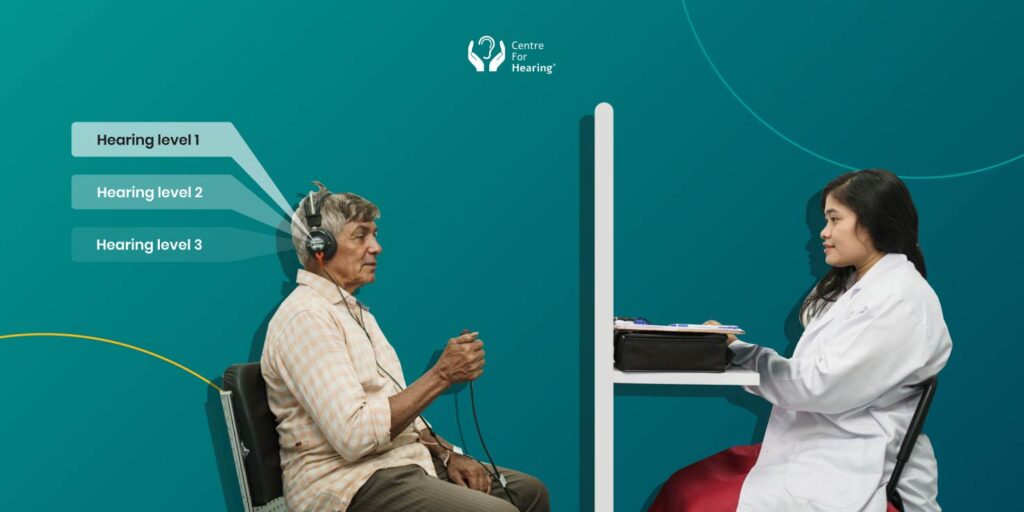
Typical answer: The higher one just has more features.
Ideal answer: Performance level depends less on your audiogram and more on how demanding your listening life actually is: meetings, restaurants, family gatherings, travel, background noise.
Two people with an identical hearing test result can need very different technology if one spends the week in noisy meetings and the other mostly watches television at home.
9. Will hearing aids work with my phone?
Typical answer: Yes, it connects fine.
Ideal answer: A specific answer about what you’ll actually be able to do, since compatibility depends on whether you carry an iPhone or an Android device, and which version.
Ask what changes if you switch phones next year. Some features that work seamlessly on one operating system need an extra accessory, or don’t work at all, on the other.
10. Can the hearing aid connect to my TV?
Typical answer: Sure, no problem.
Ideal answer: Most solutions need a separate TV streaming accessory, typically priced somewhere between ₹15,000 and ₹22,000 depending on the brand, so it’s worth raising during the budget conversation rather than discovering it later.
What to look for: A clinic that walks you through all four of these, not just the one that’s easiest to answer.
The Money and After-Sales Questions
11. What’s Included in the Price, and What Isn’t?
Typical answer: This is the price of the device. (Full stop, nothing else explained.)
Ideal answer: A clear breakdown of what’s bundled in and what isn’t.
The device itself is only part of the cost. Two clinics quoting the same number for the same brand can mean very different things once you look past the sticker price. Repeat visits to your audiologist are normal. Hearing aids need fine-tuning as your hearing loss changes, and as your audiologist gathers real-world feedback on how the device is performing for you day to day. They also need routine cleaning and maintenance. Ask specifically what’s included in your bundle – batteries, servicing visits, cleaning, and over how long a period.
It’s also worth remembering what you’re actually paying for beyond the device: the audiologist’s professional experience and the years spent attending to patients with hearing profiles similar to yours. Compare the clinic and the audiologist attending to you, not just the price tag. Check their qualifications and the organisation’s credibility before committing, rather than buying from whoever happens to be in front of you.
What to look for: A clinic that volunteers this breakdown without being asked twice.
12. What Are the Warranty Terms, Exactly?
Typical answer: It comes with a warranty.
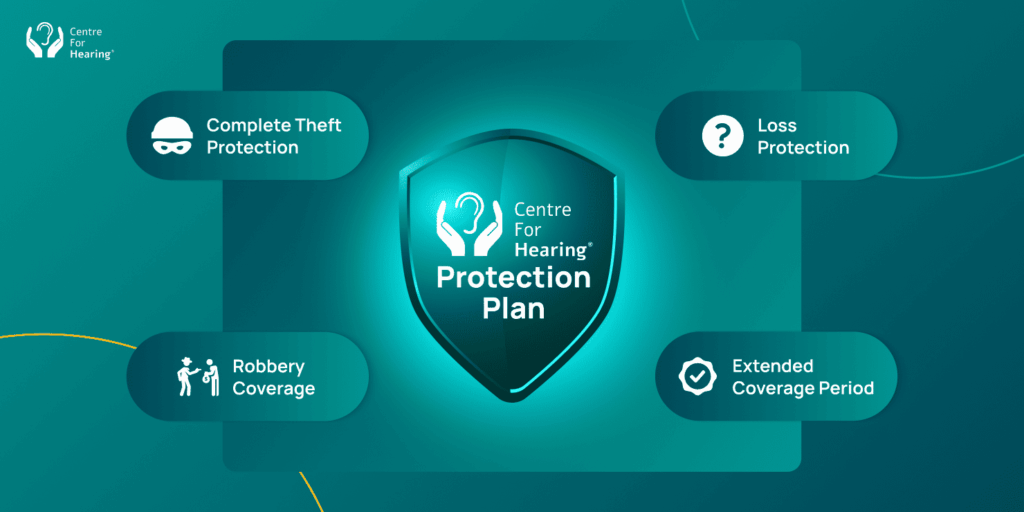
Ideal answer: If the seller is offering coverage beyond the manufacturer’s official warranty, ask who’s providing that additional coverage and how a claim would actually be handled. Official manufacturer warranties should be distinguishable from any extra coverage the retailer adds on, in writing, not just in conversation.
What to look for: Specifics, not reassurance.
13. Can You Get Follow-Up Support Without Travelling Far?

Typical answer: You can always call us if there’s an issue.
Ideal answer: A named clinic near your home or workplace that can handle routine adjustments, not just the flagship branch.
Hearing aids need tuning after the first fitting. Your ears change, your environment changes, and the settings that felt right in week one might need adjusting by month three. If the only clinic that can service your device is two hours away, you’ll simply stop going, and the device will underperform for years because of it.
What to look for: A specific, nearby answer, not a general assurance.

Red Flags to Watch For
🚩 The first question you’re asked is about your budget, not your hearing needs.
🚩 A hearing aid is recommended before your hearing loss and lifestyle are properly discussed.
🚩 You’re told the most expensive hearing aid is automatically the best one for you.
🚩 Models are explained mostly through marketing terms, not practical benefits.
🚩 There’s pressure to decide immediately.
🚩 The clinic can’t clearly explain what follow-up care is included.
🚩 You’re unsure what happens if the hearing aid doesn’t work out for you.
Your Hearing Aid Buying Checklist
Before you decide, ask yourself:
✅ Did the audiologist explain my hearing loss in terms of my daily life?
✅ Did they explain why they’re recommending this particular hearing aid?
✅ Did they consider my lifestyle and listening environments?
✅ Was I offered a proper Hearing Aid Demo and Experience, not a five-minute in-clinic test?
✅ Did they clearly explain what’s included in the price?
✅ Did they explain the warranty and what happens once it expires?
✅ Do I know who’s handling my follow-up visits, and how often I’ll need them?
✅ Did they explain what happens if this device doesn’t work out for me?
✅ Did I feel advised, rather than sold to?
If you can answer yes to most of these, you’re likely dealing with a clinic that takes the fitting process seriously.
One more thing worth asking yourself: did you choose the hearing aid, or did someone simply sell you one?

Why Choose Centre for Hearing®

Centre for Hearing® has been running clinics since 1973, and over 3,00,000 customers have gone through a fitting with the team. That history matters here because a lot of these questions come down to trust: who’s answering them, and whether they have a reason to steer you toward the right device rather than the most expensive one.
A few things worth knowing before you walk in:
- Clinics across Delhi NCR, Gurgaon, Noida, Chandigarh, Patiala, Jalandhar, and Ludhiana, so you can find one near your home without a long trip.
- All major international brands are stocked under one roof, so the recommendation isn’t limited to a single manufacturer’s catalogue.
- Fittings and adjustments handled by experienced M.Sc. Audiologists, not shop staff trained on a single brand.
- A structured Hearing Aid Demo and Experience before any purchase decision, so you’re not buying on a first impression.
This isn’t the right fit for everyone. If you’re looking for the cheapest possible device with no consultation involved, or an online-only purchase with no in-person fitting, that’s not how this clinic operates, and it’s worth knowing that upfront.
If you’re ready to get these questions answered properly, book a Free Consultation at your nearest Centre for Hearing® clinic, or call us now at +91 9811 227 269 to speak with someone directly.