

 +91 98112 27269
Your hearing aid goes quiet one morning, or it starts whistling, or the sound turns thin and muffled, and you find yourself pushing the volume past where it ever needed to go. The first question most people ask at that point is also the most loaded one: do you get it repaired, or is it time for something new?
There’s no universal answer, and anyone who tells you otherwise without knowing your device, your current hearing profile, and the machine’s age isn’t giving you real advice. What this article does is walk you through how to think about it, what hearing aid repair in India costs, and where the line between repair and replacement actually lies.
Why Your Hearing Aid Stops Working
Understanding what went wrong is the first step before making any repair-or-replace decision. The nature of the fault often tells you whether repair is worth attempting at all.
1. Moisture and Humidity Damage
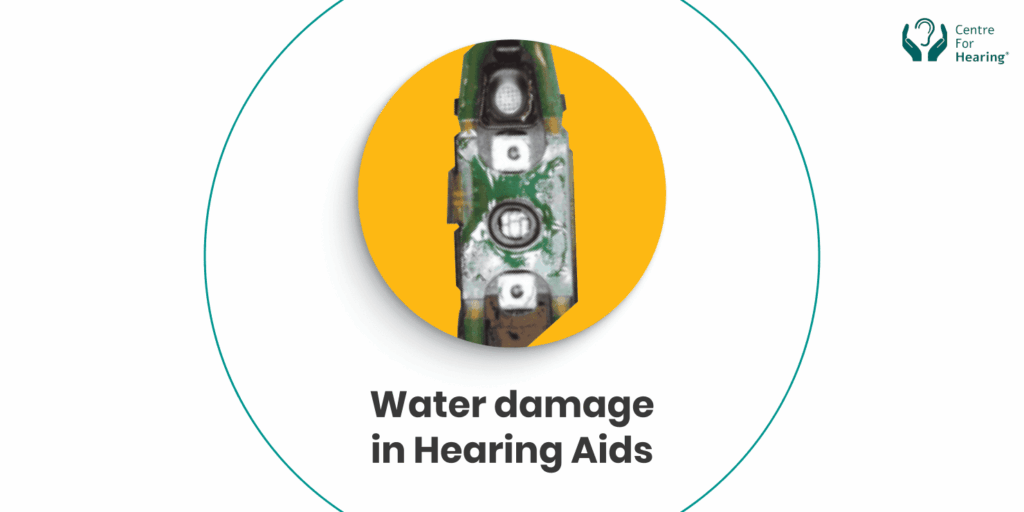
Moisture is the leading cause of hearing aid failure in Indian conditions. Humidity, perspiration during summer months, and accidental water exposure all work their way into the device’s components over time. Even a brief encounter with a bathroom tap can cause real damage in in-the-canal styles, which offer far less weather protection than behind-the-ear models.
2. Earwax Blockage
Wax accumulation in the sound outlet or receiver is the second most common cause, and it’s frequently mistaken for a hardware problem. A large proportion of devices that people assume are broken are blocked. An audiologist can usually resolve this in a single visit.
3. Physical Damage
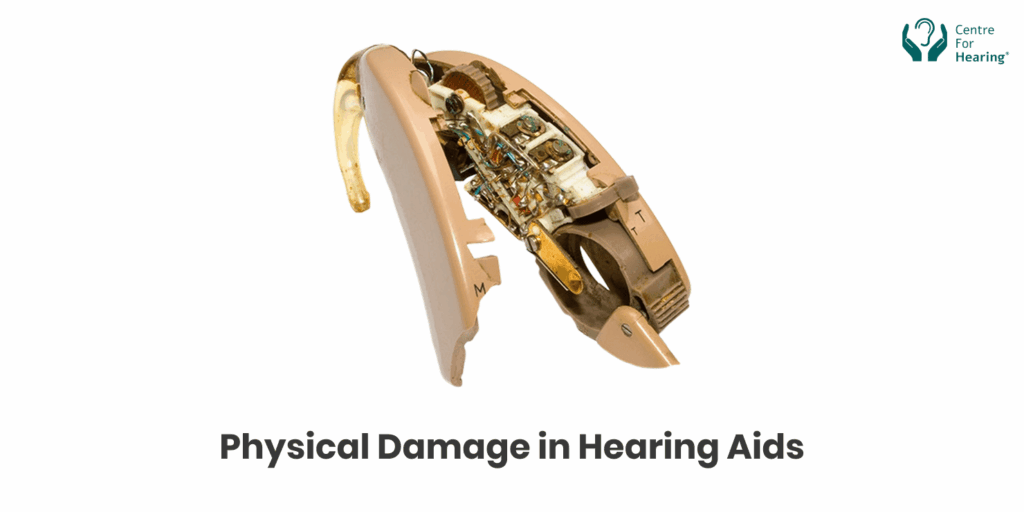
Dropping the device, sitting on it, or storing it incorrectly accounts for a significant share of repair cases. Smaller in-the-canal and invisible styles are especially vulnerable because they offer less structural protection against impact.
4. Battery and Charging Port Issues
Rechargeable hearing aids do deteriorate in terms of battery life with daily use. If your device isn’t holding charge the way it did when you bought it, this is worth investigating before assuming the fault is something more serious.
5. Component Wear Over Time
Microphones, receivers, and amplifiers have a finite lifespan. How long depends on the brand, the model, how carefully it’s been maintained, and how many hours a day it runs. This is wear, not failure, and it’s worth distinguishing between the two before committing to any repair.
How Hearing Aid Repair in India Works
The process isn’t the same everywhere. It depends on where you bought your device and which brand it is, and understanding this upfront saves you from expensive surprises later.
Tip: You must visit your hearing care partner at least once in 6 months for a general review. And try sending your hearing aids to the service centre at least once a year during the warranty period!
Authorised Clinics and Manufacturer Service Centres

If you purchased from an authorised audiology clinic, that clinic is your first point of contact. They can assess the device, clean it, replace consumable parts such as wax filters and domes, and determine whether the fault requires sending the unit to the manufacturer’s service centre.
Major brands, including Phonak, Signia, Widex, Oticon, ReSound, and Starkey, all have service infrastructure in India, routed through their authorised dealers.
Important note: These major brands do not entertain direct customers visiting them at their service centres. As a user of a hearing aid, you need to visit an authorised dispenser (such as Centre for Hearing®) to help you with this.
Devices within their warranty period are generally covered for manufacturing defects. Physical damage and wear-related faults typically aren’t. Warranty periods vary from one to four years depending on the brand and model tier.
Devices Bought Online or From Unauthorised Sellers
Devices purchased through e-commerce platforms or sellers with no clinic affiliation create real complications. Many brands won’t service devices through their authorised network if the original sale didn’t come from a certified partner. This is one of the more significant hidden costs of buying cheap hearing aids online. The savings at the point of purchase can disappear quickly when something goes wrong and there’s no warranty to fall back on.
When Repairing Your Hearing Aid Is Worth It
Not every fault is a reason to buy new. Several situations point clearly towards repair, and recognising them early can save you considerable money.
1. The Device Is Under Two Years Old
If your hearing aid or ear machine is less than two years old and the fault isn’t related to physical damage, repair is almost always the right call. The core technology is current, and your ears are already fitted and adjusted to that specific device. Starting fresh with a new unit means going through the fitting process from the beginning.
2. The Issue Is Minor and Identifiable
A blocked receiver, a cracked ear mould, a damaged dome, a worn wax filter. None of these are expensive fixes. An audiologist can usually handle them in a single appointment. Before assuming the worst, get a proper in-person assessment.
3. You’re Still Within Warranty
Don’t pay for something that’s covered. Check your paperwork before agreeing to any paid repair. If you’re within the warranty period and the fault qualifies as a manufacturing defect, the service should cost you nothing.
4. The Repair Quote Is Under 30–35% of Replacement Cost
If the cost of fixing the device is a small fraction of what a comparable new device would cost, the economics favour repair. Above that threshold, the conversation changes.
Not sure whether your device is worth repairing?
Book a free consultation at Centre for Hearing® and our audiologists will assess your device and tell you exactly what you’re dealing with, before recommending anything.
Signs Your Hearing Aid or Ear Machine Is Beyond Repair
There are situations where repair is the more expensive option over the long run, even when the upfront quote seems manageable. These are the signals worth watching for.
1. The Device Is Over Five Years Old
Hearing aid technology moves fast. A device from 2019 or 2020 is now at least two generations behind in how it handles sound in difficult listening environments. Repairing it extends the life of outdated technology, and for most users, that’s not a sensible investment.
2. You’ve Had It Repaired Before
Repeated faults on the same device signal either a component quality issue or end-of-life. A second or third repair on the same unit rarely holds for long. At some point, you’re spending money to delay the inevitable.
3. Your Hearing Has Changed
This one is easy to miss. People sometimes assume a device has stopped working when what has actually happened is that their hearing loss has progressed and the current fitting is no longer adequate. A fresh audiometric test would confirm or rule this out. If your hearing has shifted meaningfully, even a perfectly repaired device won’t give you what you need.
4. The Repair Cost Is High and There’s No Warranty Left
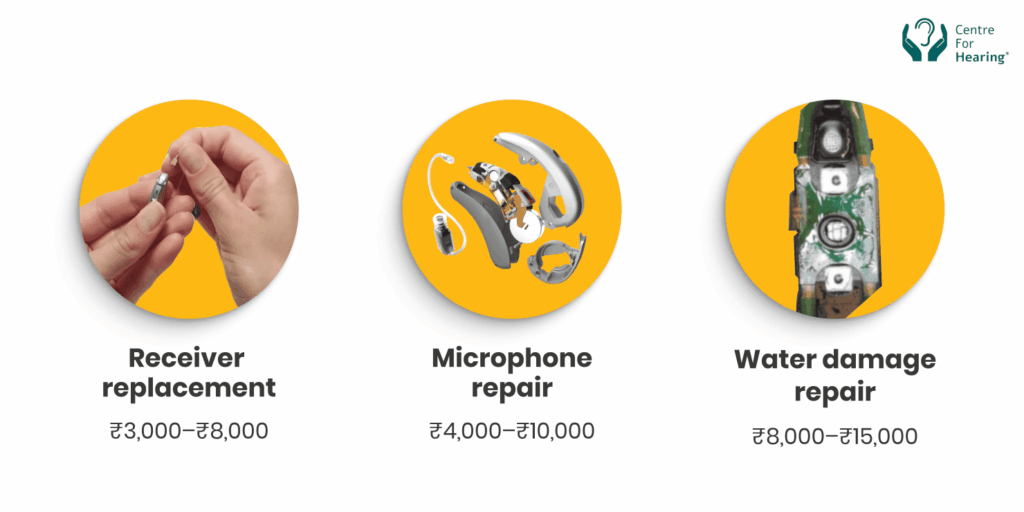
A major repair on a five-year-old device with no warranty cover can cost anywhere from ₹5,000 to ₹30,000 or more, depending on the fault. At that figure, the conversation about a new device is worth having properly.
Repair, Replace, or Upgrade: A Quick Decision Guide
The right choice usually comes down to two things: device age and the severity of the fault. The table below maps the most common situations to a recommended course of action.
| Your Situation | Recommended Action |
| Device under 2 years old, minor fault | Repair |
| Device under 2 years old, physical damage | Repair if cost is reasonable; compare against replacement |
| Device 2–5 years old, minor fault, no warranty | Repair |
| Device 2–3 years old, major fault, but with repair warranty | Repair |
| Device 3– 5 years old, major fault, no warranty | Evaluate replacement |
| Device over 5 years old, any fault | Upgrade |
| Hearing loss has progressed since last fitting | Upgrade and refit |
| Previously repaired, same fault has returned | Upgrade |
How We Help You Make This Decision at Centre for Hearing®
At Centre for Hearing®, we don’t approach “should I repair or replace?” with a default answer, because the right answer depends on the device, the fault, and your current hearing situation. Those three things look different for every person who walks in.
Our Experienced M.Sc. Audiologists begin with a hearing evaluation to confirm whether your current device, working or not, is still matched to your actual hearing needs. Our clinics use European diagnostic equipment that’s routinely calibrated for accurate reporting. From there, we assess the device itself.
If repair is the right call, we’ll tell you. If the honest answer is that you’d be spending money to extend the life of something that’s no longer serving you well, we’ll say that too. We’ve been doing this since 1973, with over 3,00,000 patients trusting us across our clinic network.
At Centre for Hearing®, we offer detailed hearing assessments, personalised hearing aid trials, and home visit support for patients who may find travelling difficult. Our CareFree package covers batteries and service for up to five years, which takes the ongoing maintenance question off the table entirely.
Clinics across Delhi , Noida, Dwarka, , Gurugram, Chandigarh, Ludhiana, Patiala, and Jalandhar.
Book a Free Consultation at Centre for Hearing®
Not sure where to start? Our audiologists will assess your device, test your hearing, and give you a clear recommendation, with no obligation to buy anything.
Call:+91 9811 227 269 | Email: care@centreforhearing.org | Home visit facility available.
Frequently Asked Questions About Hearing Aid Repair in India
1. How long does hearing aid repair take in India?
Minor in-clinic repairs take one visit. If the device needs to go to a manufacturer’s service centre, the turnaround typically takes one to three weeks, depending on the brand and the nature of the fault.
2. My ear machine got wet. Can it be repaired?
Moisture damage is recoverable if caught early and if the exposure was brief. Bring the device in as soon as possible rather than waiting. The longer the moisture sits in the components, the worse the damage gets. Don’t attempt to dry it with a hairdryer.
3. How do I know if my hearing aid or ear machine needs repair or just cleaning?
Start with an audiologist visit before assuming the worst. A large proportion of devices that appear to have stopped working have a blocked receiver or clogged wax filter. Those are problems that take minutes to fix. If cleaning doesn’t resolve it, a more detailed assessment follows from there.