
 +91 98112 27269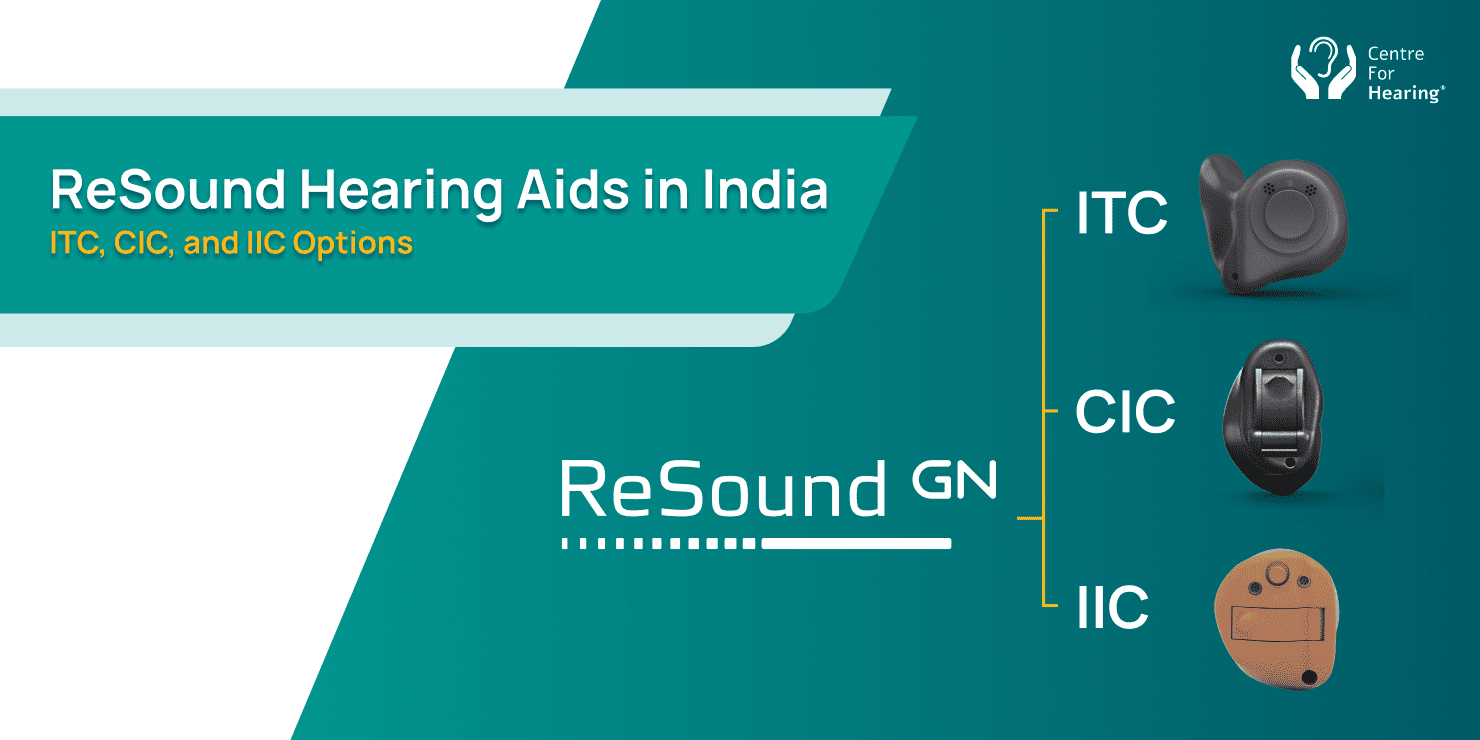
Most people researching ReSound hearing aids start with the brand overview: the models, the technology, what it costs. This article assumes you’ve done that, or are at least past the “is ReSound a good brand” stage.
What you’re looking at now is a narrower question: the custom-fit options – ITC, CIC, IIC. The ones that sit inside the ear canal rather than behind it. The ones people choose when visibility matters, or when a behind-the-ear device feels like the wrong fit for their life.
This article covers exactly that, nothing wider.
What “Custom” Means in a Hearing Aid Context
Most hearing aids, including ReSound’s RIE and BTE models, come in standard sizes and sit outside the ear canal. Custom hearing aids are different. They’re made from a physical impression of your specific ear canal, then manufactured to that shape. The result sits inside the canal rather than behind the ear, which is why they’re significantly more discreet.
The trade-off has historically been power: a smaller form factor means less amplification capability, which is why custom hearing aids were traditionally limited to mild-to-moderate hearing loss. That limitation has shifted with newer technology, as we’ll cover below.
ITC, CIC, and IIC Hearing Aids: What Sits Where
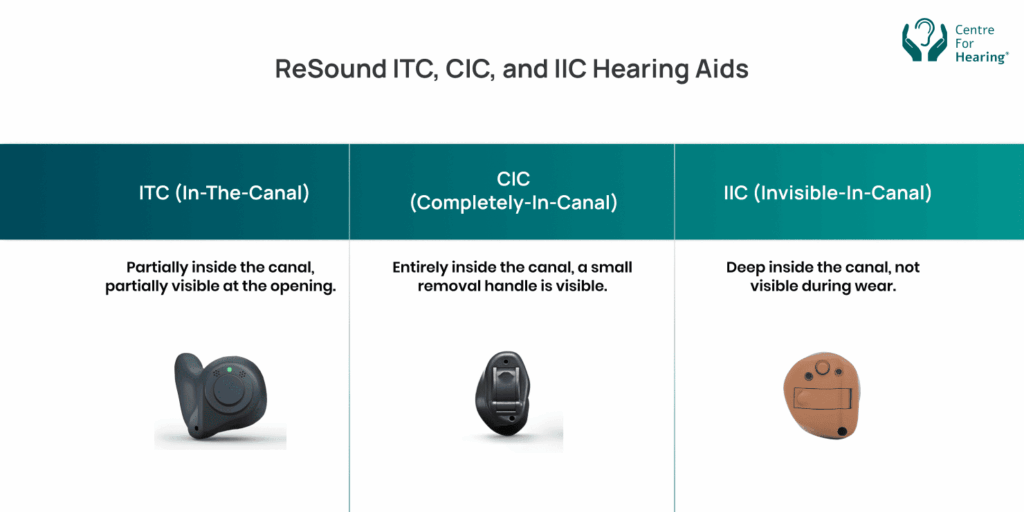
ReSound’s custom range spans three distinct formats. Understanding what each one is makes the model choices easier to navigate.
| Format | Image | Where it sits | Visibility | Hearing loss range |
|---|---|---|---|---|
| ITC (In-The-Canal) |
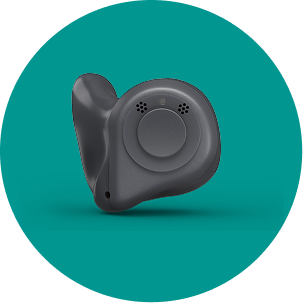 | Partially inside the canal, partially visible at the opening. | Low | Mild to severe. |
| CIC (Completely-In-Canal) |
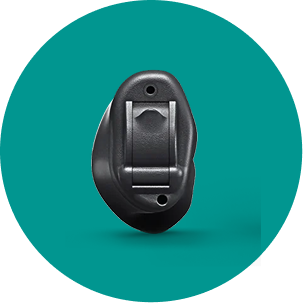 | Entirely inside the canal, a small removal handle is visible. | Very low | Mild to moderately severe. |
| IIC (Invisible-In-Canal) |
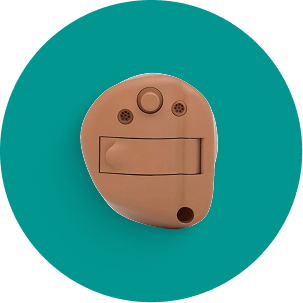 | Deep inside the canal, not visible during wear. | Effectively invisible | Mild to moderate (Nexia IIC up to 100dB). |
The further into the canal the device sits, the more discreet it is, but also the more limited the space for components like microphones, receivers, and batteries. This is why IIC devices typically can’t support Bluetooth or rechargeable batteries, and why the ITC format can carry features that the CIC and IIC cannot.

ReSound’s Custom Range in India
ReSound currently offers custom hearing aids across two model families in India: the Nexia and the Key. They sit at different points on the technology spectrum and suit different buyers.
ReSound Nexia Custom Hearing Aids
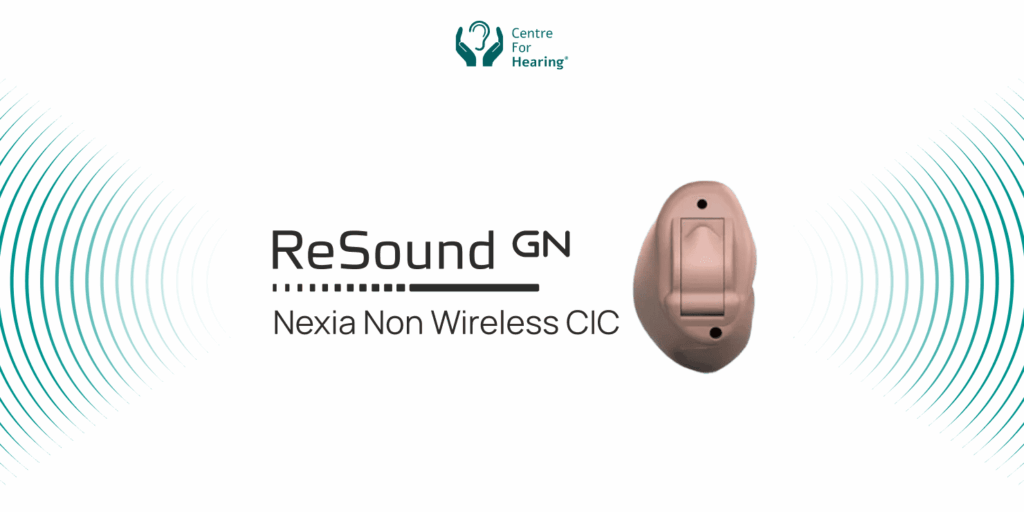
The Nexia is ReSound’s premium custom option. It comes in ITC, CIC, and IIC formats, with the ITC available in a rechargeable earbud-style design that’s become one of the more popular configurations for working-age adults who want discretion without giving up connectivity.
The Nexia ITC rechargeable supports Bluetooth LE Audio (direct streaming from iPhone and Android), hands-free calls, and app-based adjustment through the ReSound Smart 3D app. It comes across four technology levels (9, 7, 5, and 4), with the higher levels adding more advanced noise management and personalisation.
The Nexia CIC and IIC are non-rechargeable (battery-operated) and do not carry Bluetooth. What they do carry is ReSound’s iSolate nanotech coating, which makes all components weatherproof to IP68. For someone choosing an invisible hearing aid, this matters: a device sitting deep in the canal is exposed to earwax and moisture, and the coating meaningfully extends durability.
One detail worth calling out on the Nexia IIC specifically: it covers hearing losses up to 100dB. Most IIC devices are designed for mild-to-moderate losses, which rules them out for a significant portion of people who’d otherwise prefer an invisible fit. Nexia IIC changes that calculation for some.
The Nexia Earbud: A Hearing Aid That Looks Like One You’d Already Own
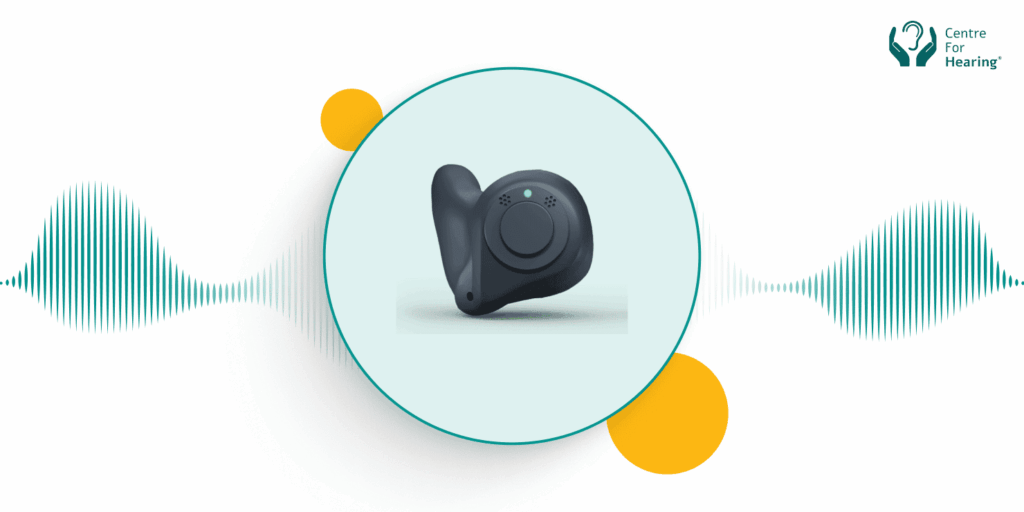
The Nexia Rechargeable ITC Earbud is worth singling out because it addresses a specific problem: people who are comfortable with in-ear technology but not comfortable with the idea of wearing something that announces itself as a hearing aid.
The earbud form factor sits in the ear canal like any wireless earbud would, and to most observers, that’s exactly what it looks like. Someone wearing Nexia Earbuds in a meeting or on a commute is indistinguishable from someone wearing standard wireless earphones. The difference is that these are custom-fitted to their ear canal, programmed to their hearing profile, and doing the clinical work of a premium hearing aid.
They’re rechargeable via a Custom Charger, support Bluetooth LE Audio for direct streaming from iPhone and Android, and come across four technology levels (9, 7, 5, and 4). The higher tech levels bring AI-assisted noise management and personalised sound profiles through the ReSound Smart 3D app.
For working-age adults who’ve hesitated over hearing aids because of how they look, the Nexia Earbud tends to remove that hesitation entirely.
ReSound Key Custom Hearing Aids
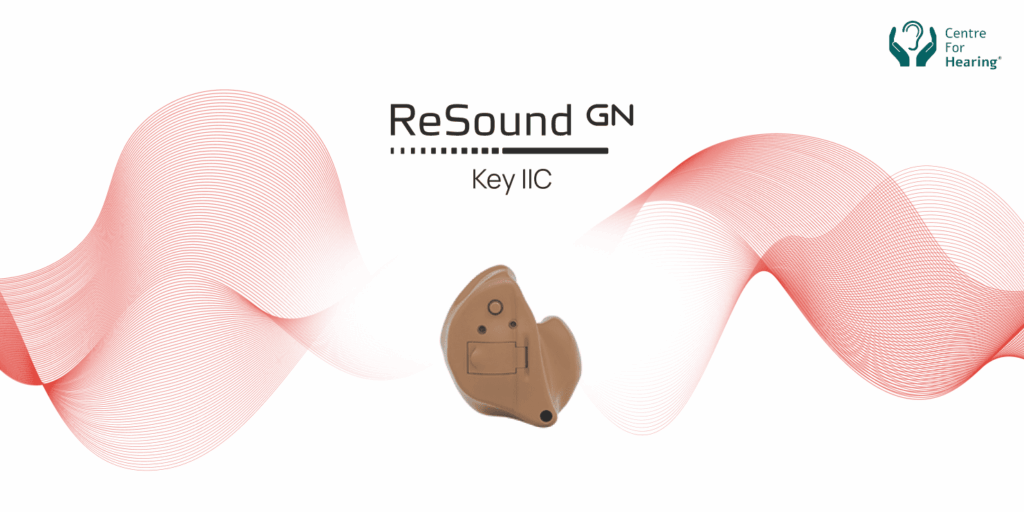
The Key occupies the mid-range. It’s available in ITC, CIC, and IIC formats, and the ITC version supports wireless connectivity including Made for iPhone streaming. The CIC and IIC are non-wireless.
The Key comes in four technology levels (4, 3, 2, and 1) and doesn’t carry the AI-powered features of the Nexia. For someone with a relatively straightforward hearing loss who wants a custom fit without paying for premium AI processing, the Key is the more practical route.
Nexia vs Key: Custom Format Comparison
| Features | Nexia ITC | Key ITC | Nexia CIC/IIC | Key CIC/IIC |
| Rechargeable option | Yes (earbud style) | No | No | No |
| Bluetooth | Yes (Nexia 9, 7, 5, 4) | Yes (levels 4 and 3) | No | No |
| AI processing | Yes (higher tech levels) | No | No | No |
| Weatherproofing | IP68 nanocoating | IP68 nanocoating | IP68 nanocoating | IP68 nanocoating |
| Technology levels | 9, 7, 5, 4 | 4, 3, 2, 1 | 9, 7, 5, 4 | 4, 3, 2, 1 |
Am I a Candidate for a Custom Hearing Aid?
This is where most people get stuck, because the answer isn’t purely about the degree of hearing loss. Several factors come into it.
1. Degree of Hearing Loss
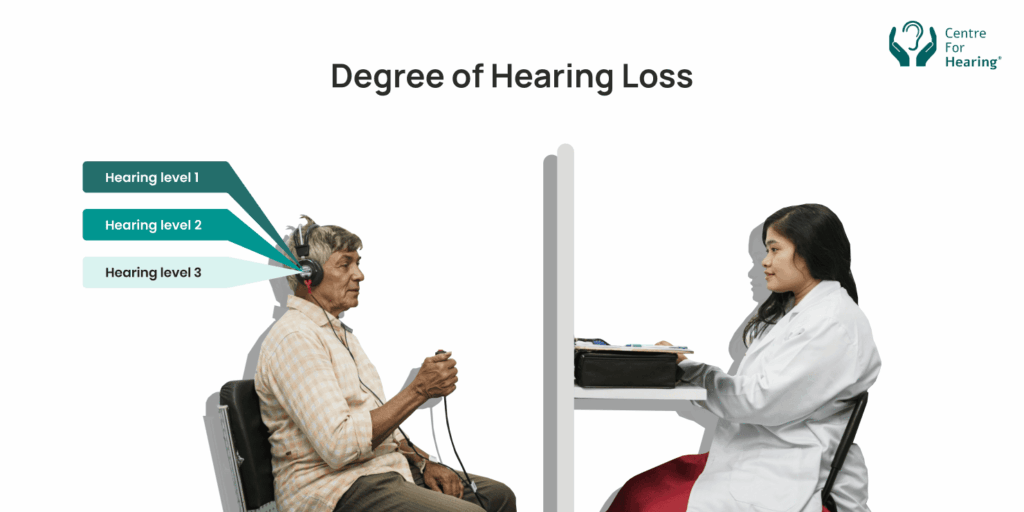
ITC devices handle mild to severe loss. CIC and standard IIC cover mild to moderately severe. The Nexia IIC pushes into severe territory, but an audiologist needs to assess whether your specific loss profile suits the output capability of the device.
2. Ear Canal Anatomy
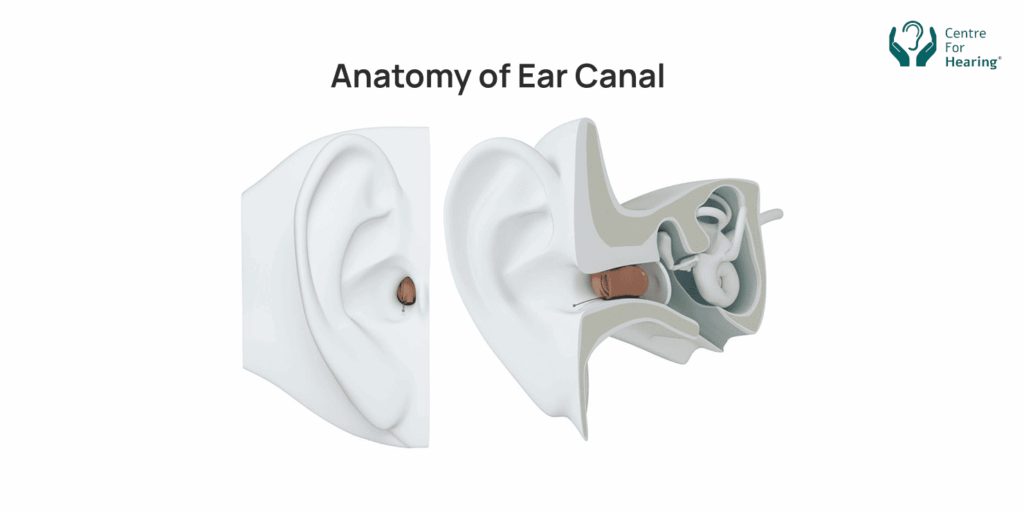
Custom hearing aids require a canal large enough to accommodate the device and allow adequate ventilation. Some people’s canal anatomy makes a CIC or IIC impractical, not because of hearing loss, but because of physical fit. An ear impression resolves this definitively.
3. Dexterity
Smaller devices are harder to handle. An IIC sitting deep in the canal requires a small removal handle and reasonable finger dexterity to insert and remove. For older adults or those with joint conditions, an ITC or even a BTE device may be more practical despite being more visible.
4. Lifestyle
Someone in client-facing work or one who is self-conscious about wearing a visible device will find the CIC or IIC more comfortable on a daily basis. Someone who frequently talks on the phone or streams audio directly from their phone will get more from a Nexia ITC, which supports Bluetooth, than from a CIC.
Want to know exactly what a ReSound hearing aid would cost for your level of hearing loss? Download Centre for Hearing®’s 2026 Hearing Aid Price Guide or book a free consultation with our audiologists to get a personalised recommendation.
The Custom Fitting Process of Hearing Aids

A custom hearing aid cannot be purchased online or fitted without an audiologist. The process requires an ear impression, which is a physical mould of your canal taken at the clinic. That impression is sent to the manufacturer, who machines the device shell to your exact specifications. It’s then returned to the clinic, programmed to your audiogram, and fitted.
At the Centre for Hearing®, the process starts with a free consultation and a full hearing assessment by our RCI-certified audiologists using European diagnostic equipment. Once your hearing profile is established, we’ll advise whether a custom format is appropriate, and which one. If we recommend a Nexia ITC or a Key CIC, you’ll know why, and you’ll have the assessment data to back it up.
We also offer a free hearing aid trial, including for custom formats where feasible, so you can evaluate the device in your daily environment before committing.
Why Buy ReSound from Centre for Hearing®
Centre for Hearing® has been fitting hearing aids since 1973. With over 3,00,000 satisfied customers across North India and a network of RCI-certified audiologists, we’re authorised partners for ReSound across our clinics in Delhi, Gurugram, Chandigarh, Ludhiana, Patiala, and Jalandhar.
That matters because a ReSound Nexia fitted without a proper hearing assessment won’t perform anything like the same device fitted by an RCI-certified audiologist with calibration equipment. Buying online or from an unverified seller is a risk that rarely saves money in practice; more often, it results in a poorly fitting device that sits in a drawer.
Our first consultation is free. We also offer a free hearing aid trial, so you can wear the device in your actual daily life before committing. Every fitting comes with ongoing support, and our after-care doesn’t end at the sale. For those who find clinic visits difficult, our home visit facility brings the audiologist to you.
To get started, call us on +91 9811 227 269 or visit centreforhearing.org.

Frequently Asked Questions
1. Can I get a rechargeable invisible hearing aid from ReSound?
Yes, via the Nexia Rechargeable ITC Earbud. It sits in the canal, charges in a dedicated case, and supports Bluetooth streaming, but it’s custom-fitted to your ear and programmed to your hearing profile rather than being an off-the-shelf consumer device. True IIC (invisible-in-canal) devices aren’t rechargeable due to their size, so if rechargeability and discretion are both priorities, the Nexia Earbud is the format to look at.
2. What is the difference between ReSound CIC and IIC?
Both sit inside the ear canal and are not visible during normal wear. The IIC sits deeper and is effectively invisible; the CIC sits slightly more forward and has a small removal handle visible at the canal opening. The IIC is suitable for smaller hearing losses in most cases, though the Nexia IIC covers up to 100dB, which is higher than most IIC devices.
3. Can the ReSound Nexia IIC be used for severe hearing loss?
The Nexia IIC covers losses up to 100dB, which extends into moderately severe to severe territory depending on the specific frequency profile. Whether it suits a particular patient depends on their audiogram. An assessment at Centre for Hearing® will confirm candidacy.
4. Is Bluetooth available on ReSound custom hearing aids?
Yes, in the ITC format. The Nexia ITC (rechargeable and non-rechargeable variants at the higher technology levels) and the Key ITC (levels 4 and 3) both support wireless connectivity. CIC and IIC devices do not carry Bluetooth due to size constraints.
5. Where can I get a ReSound custom hearing aid fitted in India?
Centre for Hearing® has clinics across Delhi NCR, Gurugram, Chandigarh, Ludhiana, Patiala, and Jalandhar. Find your nearest clinic at centreforhearing.org/find-a-clinic.